2025 – 2027
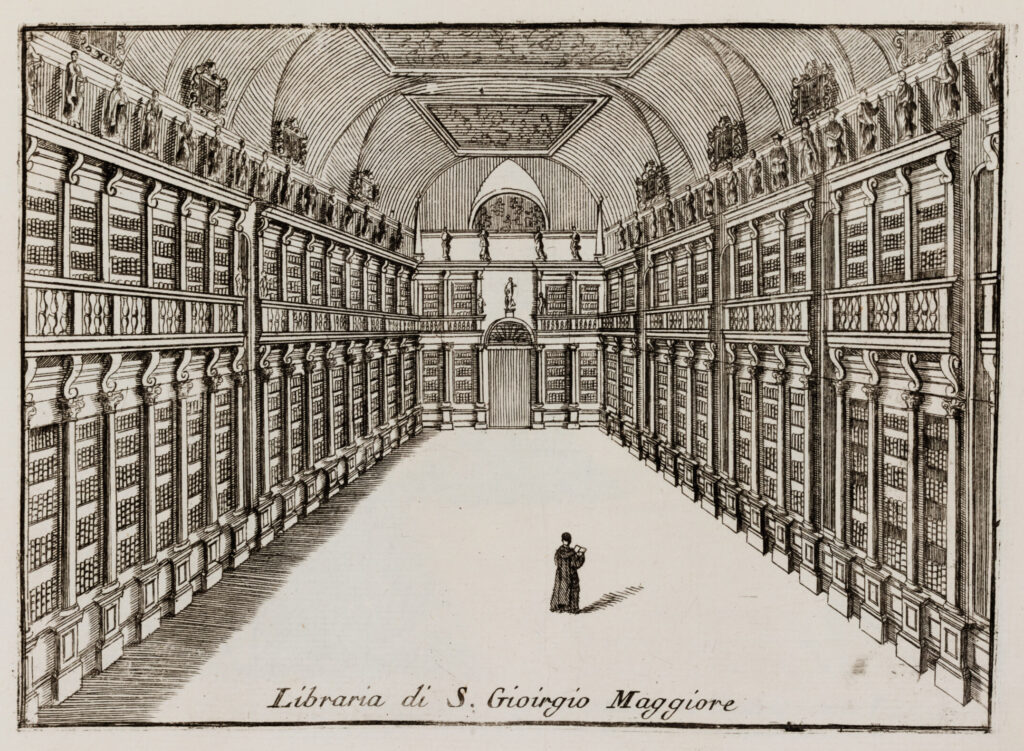
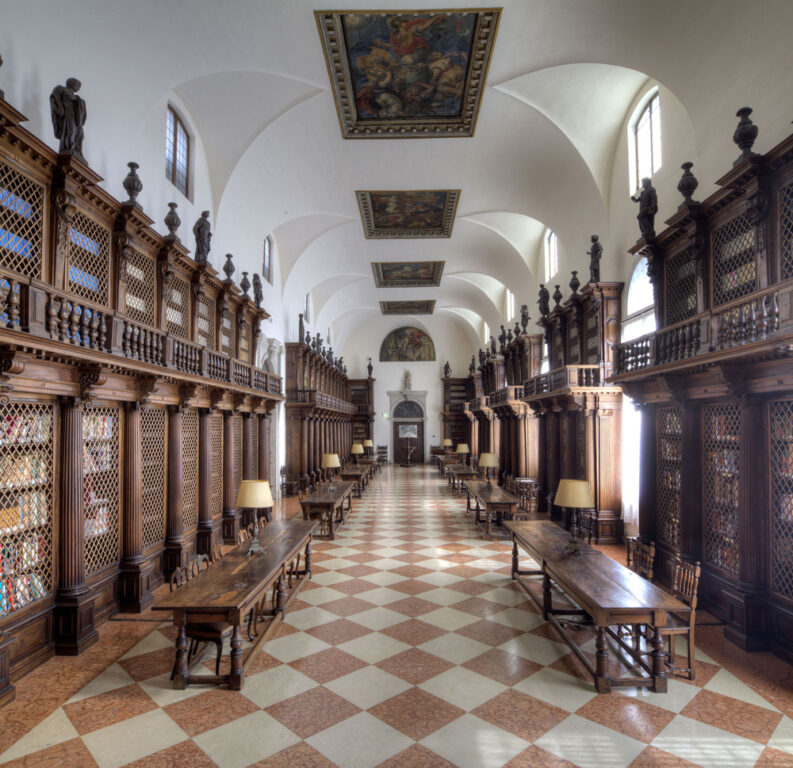
This project focuses on the digital reconstruction of the Benedictine library, to reunite the collection of books once owned by the monks of the Monastery of San Giorgio Maggiore’s Island. The goal of this project is to make a dispersed cultural heritage accessible to all, explore its contents and highlight its relevance.
The context
The library was suppressed and sold in 1806, and its rich collection of manuscripts and incunabula were dispersed. Over 180 incunabula once at San Giorgio Maggiore’s Island have been already identified in libraries, museums and private collections all over Europe and the World, and titles continue to add up.
The project digitally reconstructs the library as it was when Napoleon suppressed it.
Reuniting the books from the Benedictine Library is not merely a bibliographical exercise, but it should be seen as a necessary effort to reconstruct the history of places, institutions, and people. The goal is to allow scholars, students and the wider public to consult the copies on a single platform, where the rich history of the Island and Venice will be reconstructed, with a particular focus on book circulation, trade, and usage.
Most of the incunabula that were once part of the collection were printed in Venice: the project highlights the role of Venice as a global hub for the culture of historic books and print, both during the Renaissance, as the capital of printed book production, and today through new digital access.
The partners
Fondazione Giorgio Cini and Factum Foundation conduct and promote this project in the context of the ARCHiVe programme, thanks to the supporting funding of the Helen Hamlyn Trust.
CERL, Università degli Studi di Padova and Università Ca’ Foscari di Venezia are collaborating to the project for what concerns the research on the manuscripts and incunabula copies.
In addition, all other libraries and collections that hold copies once part of the Benedictine Library are being asked to cooperate by sharing their recordings and metadata, creating a network of knowledge on provenance studies, history of the book, and digital innovation.
Updates
1.
A thorough study of the incunabula once held at San Giorgio has been conducted by Cristina Dondi (Oxford University, Università La Sapienza, Rome, CERL), Lavinia Prosdocimi (Biblioteca Universitaria in Padua), and Dorit Raines (Università Ca’ Foscari, Venice), published in Dondi, Raines, Sharpe How the Secularization of Religious Houses Transformed the Libraries of Europe, 16th-19th Centuries, Brepols, Turnhout, 2022.

2.
Currently, a census of the manuscripts once part of the Benedictine Library and now housed in the Biblioteca Universitaria in Padua is being carried out by PhD student Antonia Delle Fratte, under the supervision of Cristina Dondi, Paola Molino (Università di Padova), and Flavia De Rubeis (Ca’ Foscari Università di Venezia). The PhD research focuses on the copies at the Biblioteca Universitaria in Padua, as it houses most of the books once held at San Giorgio Maggiore (37 incunabula – which is 20% of the total of incunabula, and 157 manuscripts).
Additionally, the manuscripts are being catalogued onManus Online, the National Census of Manuscripts from Italian Libraries.
3.
Within the framework of the ARCHiVe project, the Digital Centre team contacted the institutions holding the incunabula and manuscripts discussed in the research outlined above (29 institutions for the incunabula and 8 for the manuscripts, located worldwide). Following careful verification and research within each institution’s databases, we established contacts that have developed into a rich network of collaborations.
4.
At the same time, the only remaining volume still held on the Island of San Giorgio Maggiore is now accessible via the Digital Library of Fondazione Giorgio Cini: Incipit liber primus etymologiarum sancti Jsidori hispalensis episcopi, printed in Venice in 1483 (catalogue number FOAN TES 022). The volume was digitised and is now available online, through its IIIF-compliant viewer.
The copy at Fondazione Giorgio Cini
Explore here theIncipit liber primus etymologiarum sancti Jsidori hispalensis episcopi,printed in Venice in 1483, recorded by ARCHiVe team. This is the only volume from the original Benedictine Library that still resides on the Island of San Giorgio Maggiore, although the path it has followed is far more complex.
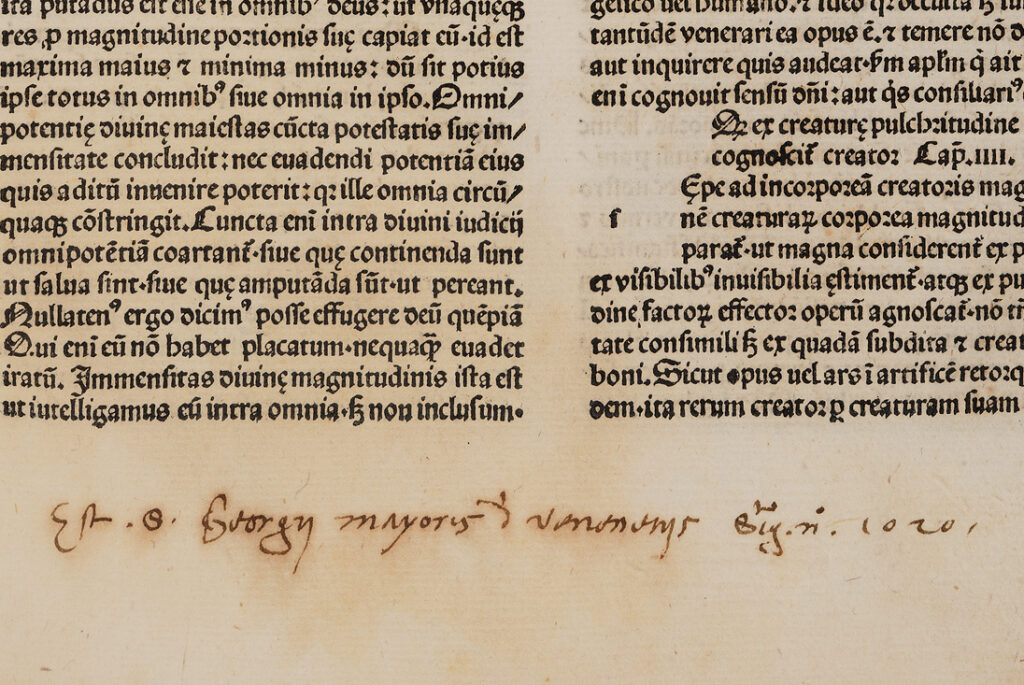
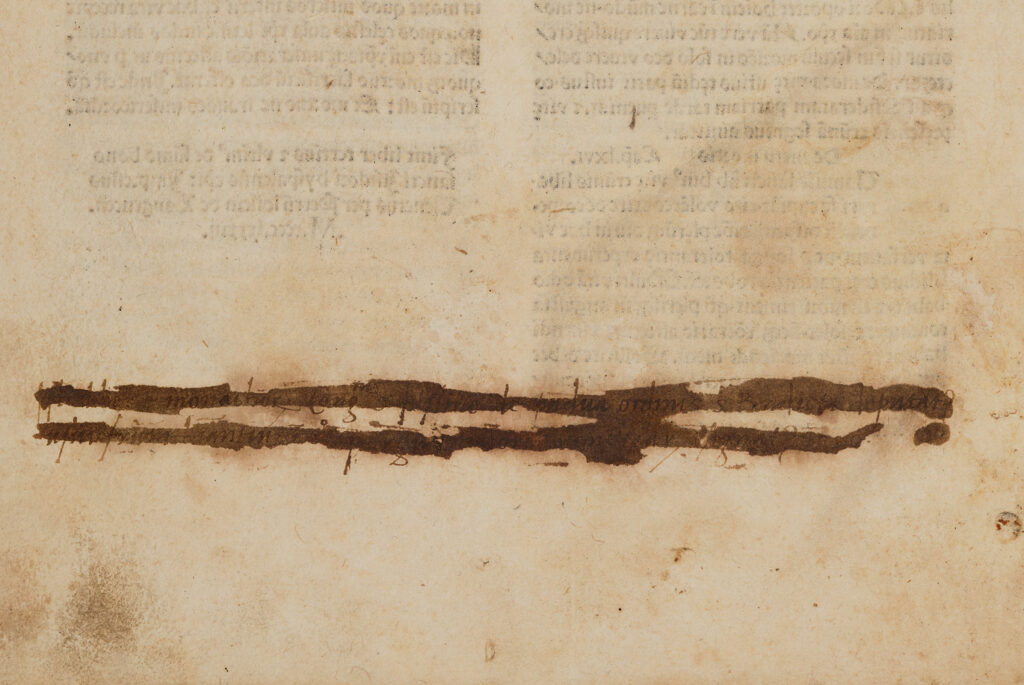
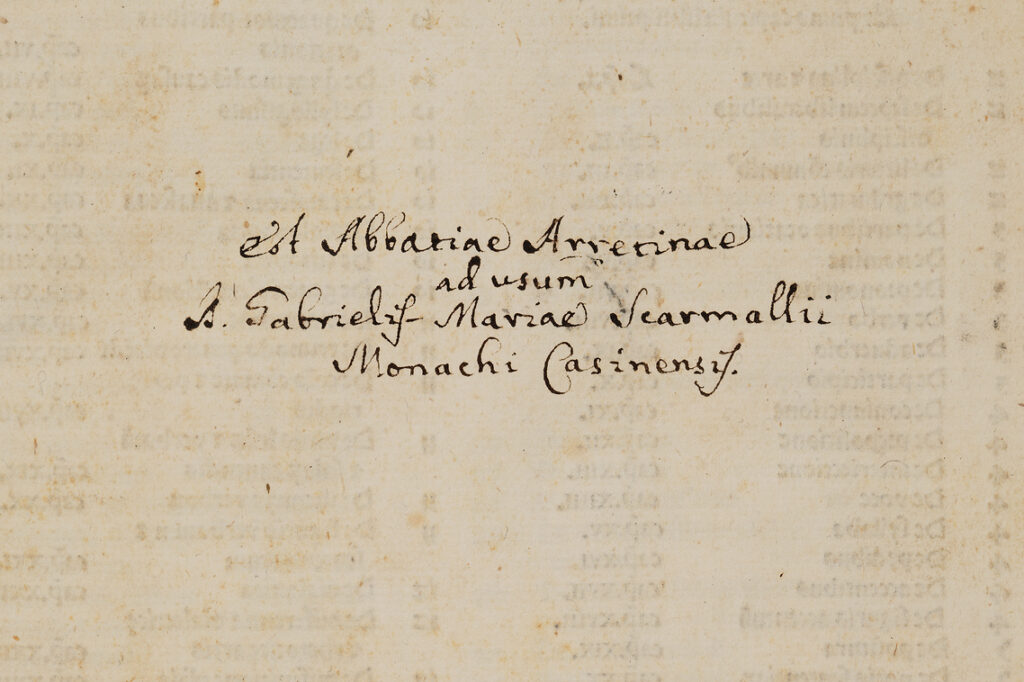
Its history through the material evidences:
- two sixteenth-century inscriptions, written by the Benedictine monks of San Giorgio Maggiore’s Island (fol. A1r and fol. C8v), attest to their ownership of the volume;
- then, there is a further eighteenth-century ownership note marking the volume’s transfer to the Benedictine community of Saints Flora and Lucilla in Arezzo (fol. π1r )
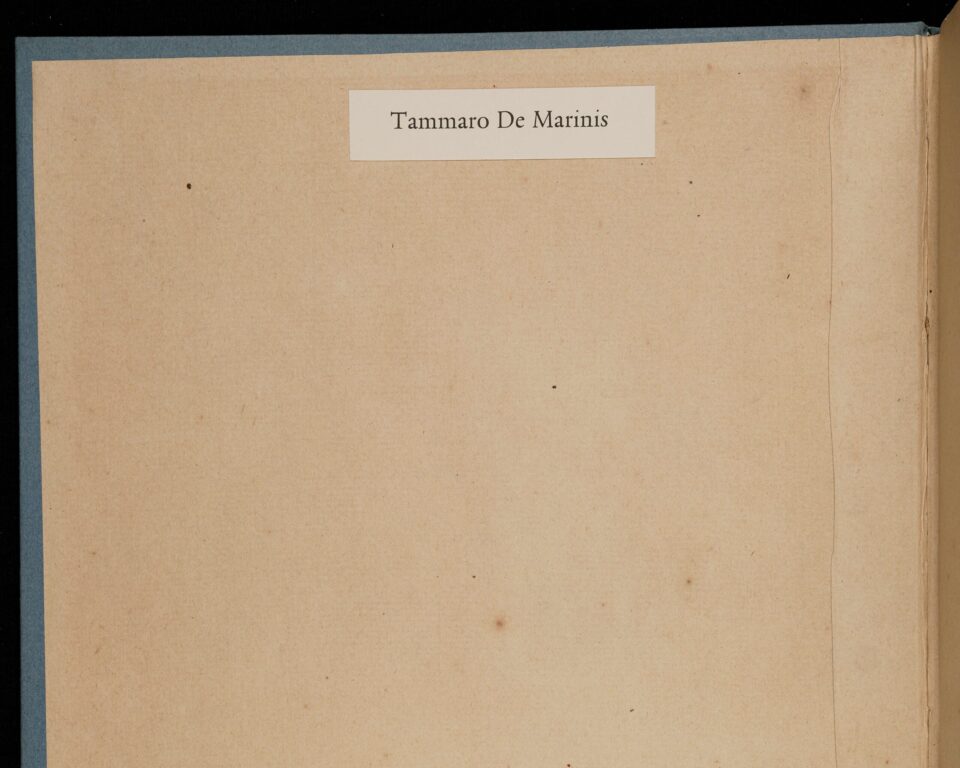
- moreover, Tammaro De Marinis’s ex-libris on the front pastedown attests to his ownership (and thus the book’s relocation to Florence) during the twentieth century, until 1962, when a significant portion of his collection of early books, including this copy, became part of the rare-books holdings of the Fondazione Giorgio Cini and the volume returned to Venice—indeed, to San Giorgio Maggiore’s Island.
Read the catalographic description of this copy in theMEI – Material Evidence in Incunabula portal(MEI n. 02020126).
Selene PSS and the copies at the Bodleian Libraries
As noted, the volumes once held at San Giorgio Maggiore Monastery are now dispersed across the world in various libraries and other public and private collections. Among them, two manuscripts are known to be in the Bodleian Libraries in Oxford, as they contain ownership notes from San Giorgio Maggiore Monastery (MS. Canon. Liturg. 351; MS. Canon. Liturg. 210).
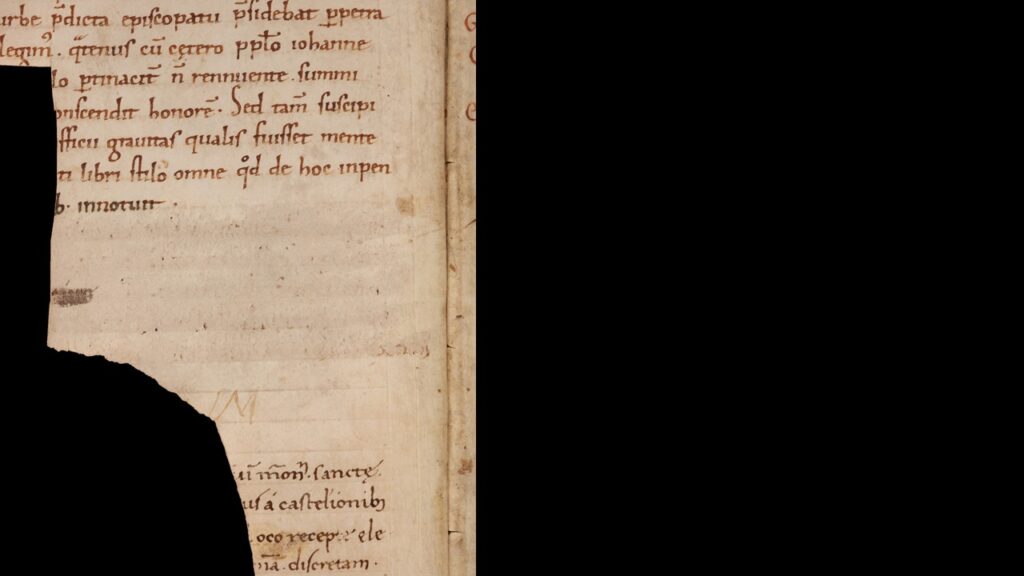
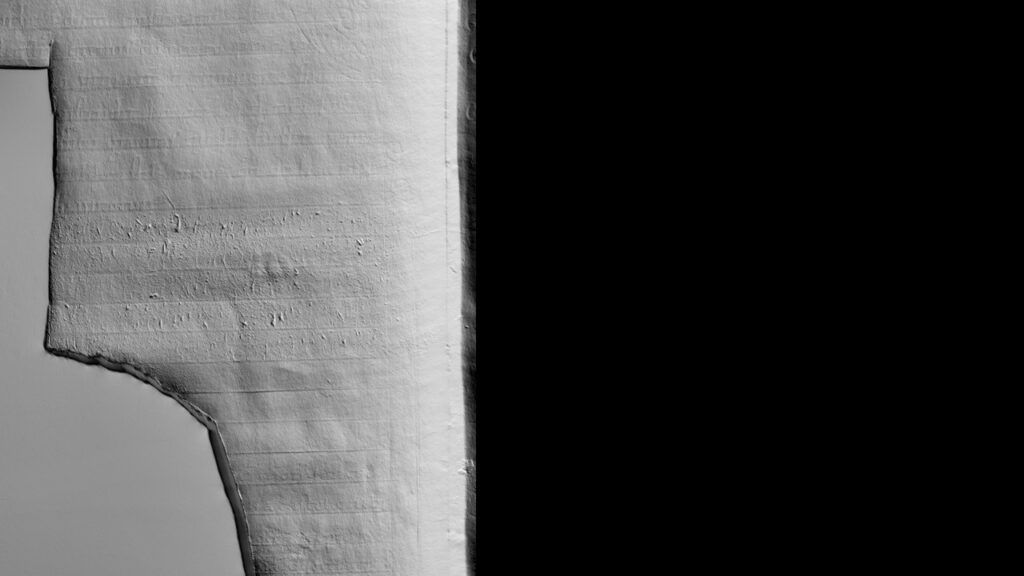
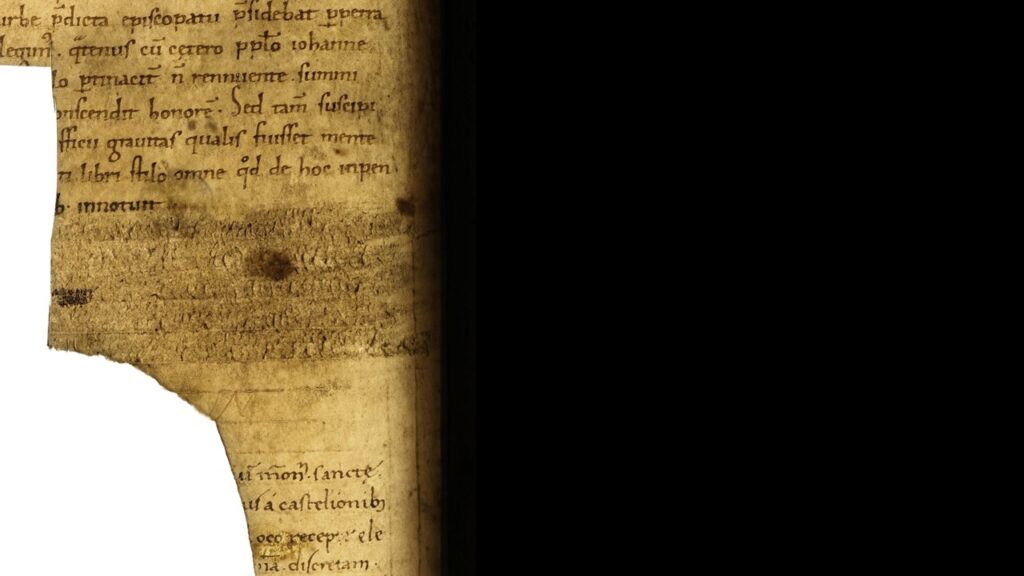
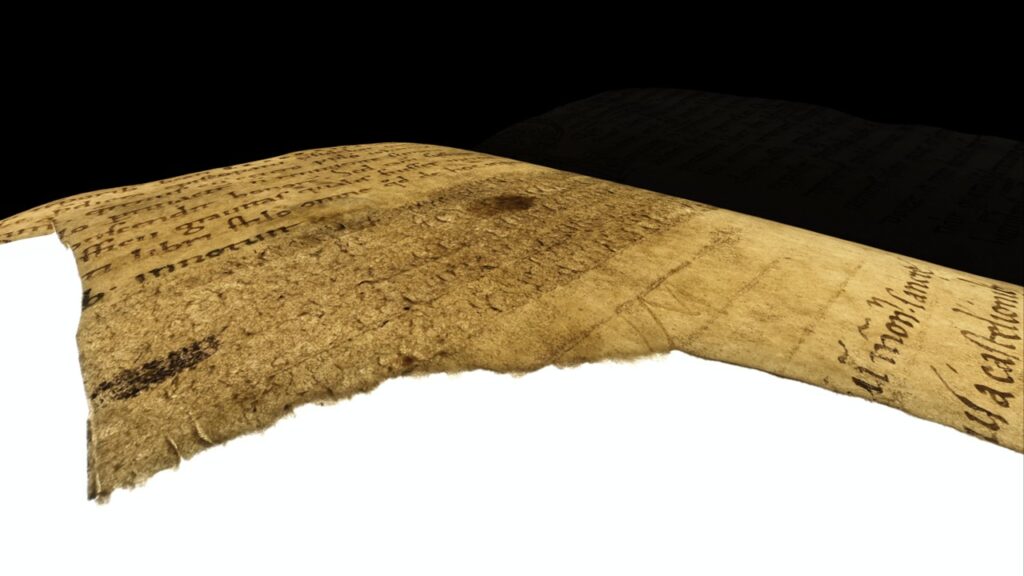
In her ongoing research, Antonia Delle Fratte has suggested that further manuscripts now in Oxford’s collections may also be connected to the Benedictine library, as previously indicated by Pächt and Alexander*. To investigate this possibility, the team atARCHiOx(Analysis and Recording of Cultural Heritage in Oxford) was asked to digitise a selection of pages from these volumes using theSelene Photometric Stereo Systemdeveloped by Factum Foundation.
Thanks to the imaging carried out by John Barrett (Senior Photographer and Technical Lead at ARCHiOx), Delle Fratte can now confirm the provenance of MS. 190 from San Giorgio Maggiore Monastery, thereby substantiating what had previously been only a hypothesis.
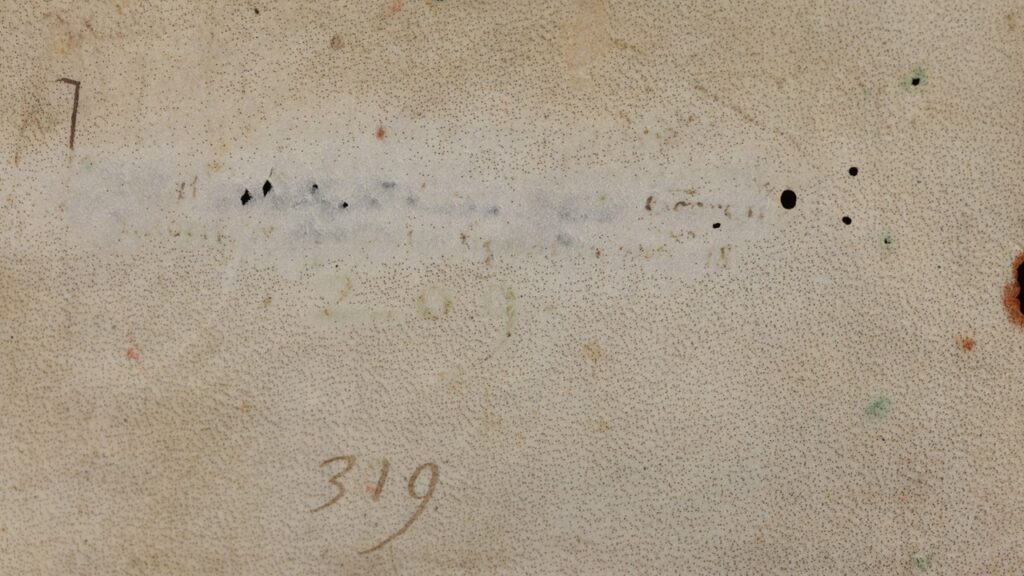
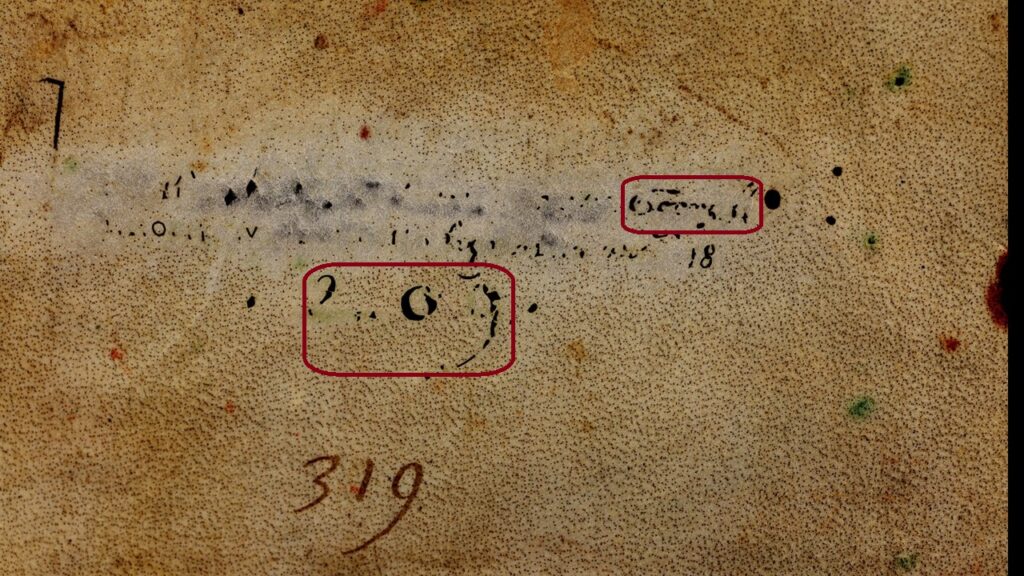
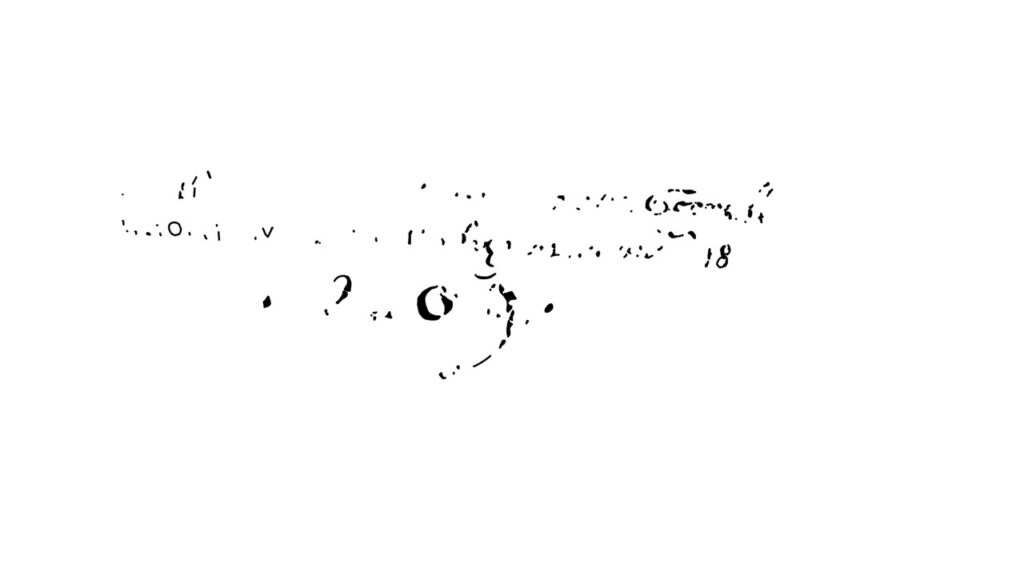
For example, in the erased ownership note of MS. 190 (folio iiir, see images above), the formula indicating possession by the Monastery of San Giorgio Maggiore’s Island can now be discerned. Although “I[ste] ……… Georgij………. 209” is almost entirely illegible, thanks to the imaging conducted at ARCHiOx, the ‘I’ of ‘Iste,’ with which the ownership note often begins, and ‘Georgij’ are now legible.
In the same folio, the annotation “319” is comparable with other volumes once at San Giorgio Maggiore Monastery, and now preserved at the Biblioteca Universitaria of Padua (MS. 1186).
* J. J. G. Alexander, O. Pächt, Illuminated manuscripts in the Bodleian Library, Oxford, vol. II, 1970, p. 66 (n. 646).